When Should You Consider Installing a Lightning Protection System in Fort Worth, TX?
Thinking about when to install a lightning protection system in Fort Worth, TX? If you own a home here in North Texas, the right time often comes sooner than you expect. Seasonal storms, tall shade trees, and complex rooflines increase risk. When you are ready to act, install a lightning protection system with Lightning Protectors and protect what matters most.
In this guide, you will learn the clear signals that it is time to upgrade, how systems work, the best seasons to schedule, and why a professional lightning risk assessment is the smartest first step. If you prefer to talk it through, call 737-276-3570 to speak with a local specialist.
What Makes Fort Worth, TX Homes Vulnerable to Lightning?
Fort Worth neighborhoods like Tanglewood, Benbrook, Arlington Heights, and Keller feature mature trees and multi-gable roofs. These features look great, yet they also create taller strike points and more places where electrical energy can travel if a storm hits nearby.
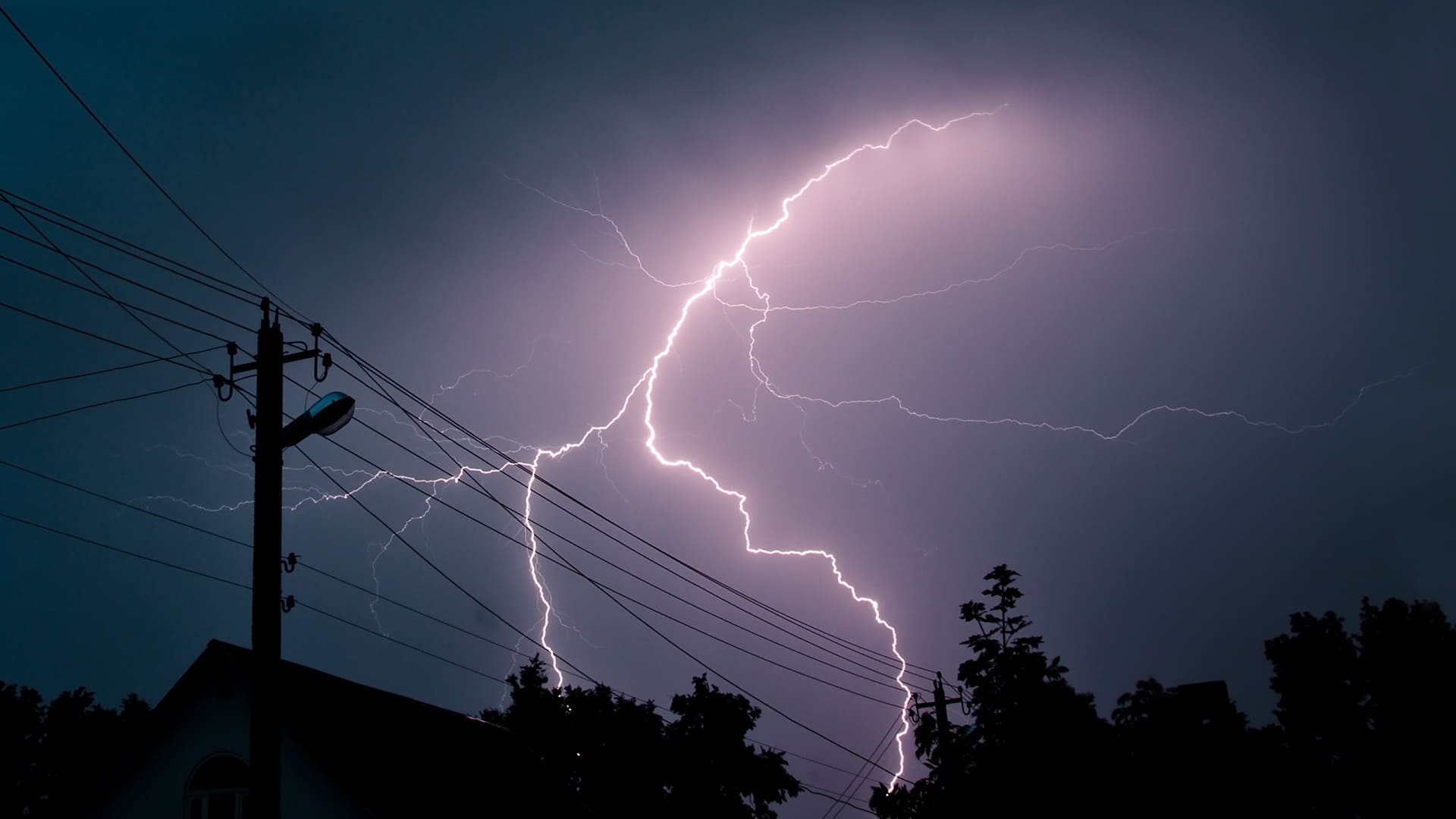
Local weather patterns bring clusters of fast-moving thunderstorms in spring and early summer, with pop-up cells possible any time warm, humid air pools over the Metroplex. Homes on open lots, on ridgelines, or with metal architectural accents are especially exposed.
- Roofs with multiple peaks, dormers, or tall chimneys create natural strike targets.
- Large trees overhanging the roof can side-flash into gutters or framing.
- Solar panels, metal roofs, and decorative cupolas add conductive pathways.
- Detached structures like barns, pool houses, and pergolas are often overlooked but still at risk.
When these factors stack up, a professionally designed network of air terminals, conductors, bonding, and grounding gives that energy a safe, low-resistance path to earth.
Clear Signs It Is Time To Install a Lightning Protection System
Every property is different, but certain moments are ideal for moving forward. Use these markers to decide.
After a nearby strike or power surge. If neighbors lost electronics or you heard a loud crack during a storm, your home likely experienced high transient voltage. The next storm could be closer.
New builds and major remodels. Framing, roofing, and electrical work are already in motion, so adding a system is more efficient. Designers can integrate air terminals neatly along ridges, valleys, and cupolas for a clean look.
Adding technology or sensitive equipment. Home offices with servers, media rooms, smart lighting, and security systems raise the stakes. Protecting these investments starts with a complete residential lightning protection plan.
Insurance or lender requirements. Some policies for custom homes and estates ask for documented lightning protection. Even when it is optional, documentation from a qualified provider helps show you took reasonable steps to reduce risk.
Visible risk features. Very tall trees within 10–20 feet of the roof edge, multiple chimneys, metal architectural details, or a home that sits higher than nearby houses are all strong cues to act soon.
How Lightning Protection Systems Work
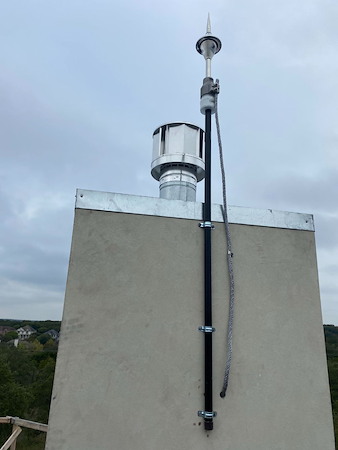
A modern system does two key jobs. First, it intercepts a strike with strategically placed air terminals at high points along ridges, chimneys, and features like cupolas. Second, it carries that energy along braided copper or aluminum conductors down to deep, permanent grounding electrodes where it safely dissipates.
Bonding connects metal elements such as gutters, rooftop equipment, and metal roofs so there are no dangerous voltage differences during a strike. Whole-home surge protection at the main panel adds a second layer for appliances and electronics. Together, these parts create a controlled, predictable path for extreme energy.
Do not treat lightning protection as a simple add-on. Proper design considers roof geometry, soil conditions, existing electrical systems, and nearby structures. That is why homeowners trust experienced Lightning Protection Systems providers like Lightning Protectors for residential lightning protection rather than piecing together components.
Professional Lightning Risk Assessment In Fort Worth
A lightning risk assessment looks at four areas: exposure, construction, occupancy, and vulnerability. In Fort Worth, exposure often comes from open terrain, nearby tall trees, or elevation compared to adjacent homes. Construction includes roofing materials, chimneys, skylights, and solar arrays. Occupancy considers how the home is used and what must be protected. Vulnerability reviews surge pathways through power, data, and low-voltage systems.
Your assessment should produce a clear plan for lightning rod installation, conductor routing, bonding points, and grounding locations. It should also specify surge protection for critical circuits like HVAC, office, entertainment, and smart home hubs. If you want a quick primer before scheduling, scan our local lightning protection tips to see how pros think through these details.
Common Myths About Residential Lightning Protection
- “I have whole-home surge protection, so I am covered.” Surge devices help electronics, but they do not manage the lightning’s main energy path across the roof and exterior.
- “My metal roof attracts lightning.” Metal does not attract strikes. It can be safely integrated into a protected system when it is properly bonded and grounded.
- “Trees will take the hit instead.” Trees often side-flash into roofs and gutters. They can also split or ignite, creating a secondary hazard.
- “We do not get enough storms to worry.” Storms tend to arrive in clusters. One active week can overwhelm unprotected homes with surges and side-flashes.
Timing: The Best Seasons To Schedule Installation In Fort Worth, TX
You can install a system any time of year, but some seasons are easier. Cooler, drier months are ideal for roof and grounding work because crews move quickly and landscaping recovers faster. Early spring also works well if you plan ahead before storm activity ramps up.
If you are building or renovating, coordinate design early so air terminals, conductor runs, and bonding points integrate cleanly with roofing and exterior finishes. That way the system looks intentional and unobtrusive when everything is complete.
Waiting until peak storm weeks often leads to longer lead times. Planning your project during a quieter window helps you choose dates, minimize disruption, and complete any follow-up testing before severe weather returns.
Local tip: North Texas often sees the most roof-damaging storms from late spring into early summer. Schedule your assessment during a quieter month so your installation is ready before the next active stretch.
After any unusually loud strike or visible power event, request a quick system check to confirm bonding and surge protection are still in top shape.
Protect Critical Systems And Sensitive Electronics
Think about what a surge could impact inside your home. Today’s houses run on networks of low-voltage lines and smart devices. HVAC boards, garage door controls, well pumps, home office gear, and entertainment systems can fail in a split second. A complete plan includes interception on the roof and layered surge protection inside so power blips do not become costly replacements.
Homeowners in areas like Mira Vista, Fairmount, and near Benbrook Lake often ask about generators, EV chargers, and solar inverters. These can be safely integrated with the right bonding and surge devices. A well-planned system reduces downtime and keeps your daily routine intact when storms pass through.
Why Work With A Specialized Lightning Protection Systems Provider
Precision matters. The number and placement of air terminals, the conductor routing, hardware selection, and final testing determine how reliably energy moves to ground. Lightning Protectors focuses on property safety systems designed for North Texas construction styles, so your home’s architecture and landscaping guide the plan rather than fight it.
Choosing a team that understands local soils, masonry, and roofing details helps protect curb appeal too. Well-designed systems are low profile, color matched where possible, and routed to stay out of sight. You get protection without the clutter.
For a deeper look at our process and to map out next steps, review our page on lightning protection services and see how a tailored design comes together from assessment to final verification.
Next Steps: A Simple Path To Peace Of Mind
Start with a phone call and a site visit. We will walk the property, review rooflines, note nearby trees and structures, and evaluate sensitive equipment inside. Then you will receive a clear plan that outlines lightning rod placement, conductor routing, bonding, grounding, and recommended surge protection. No jargon. Just a direct explanation of how we will protect your home from lightning strikes.
If you prefer to research first, you can always begin at our homepage. It is a helpful starting point for lightning protection in Fort Worth, TX and a quick way to learn about our team, service area, and approach.
Ready To Protect Your Fort Worth Home?
Do not wait for the next round of storms to test your home. Call Lightning Protectors at 737-276-3570 to schedule your lightning risk assessment. Or, if you are ready to move forward now, explore how our residential lightning protection plan comes together and set your installation date.
Your home, your memories, and your daily routine deserve reliable protection. With a professionally designed system and layered surge defense, you get confidence in every season Fort Worth throws your way.