What Happens When Lightning Strikes Your Home and How Can You Stay Protected in Fort Worth, TX?

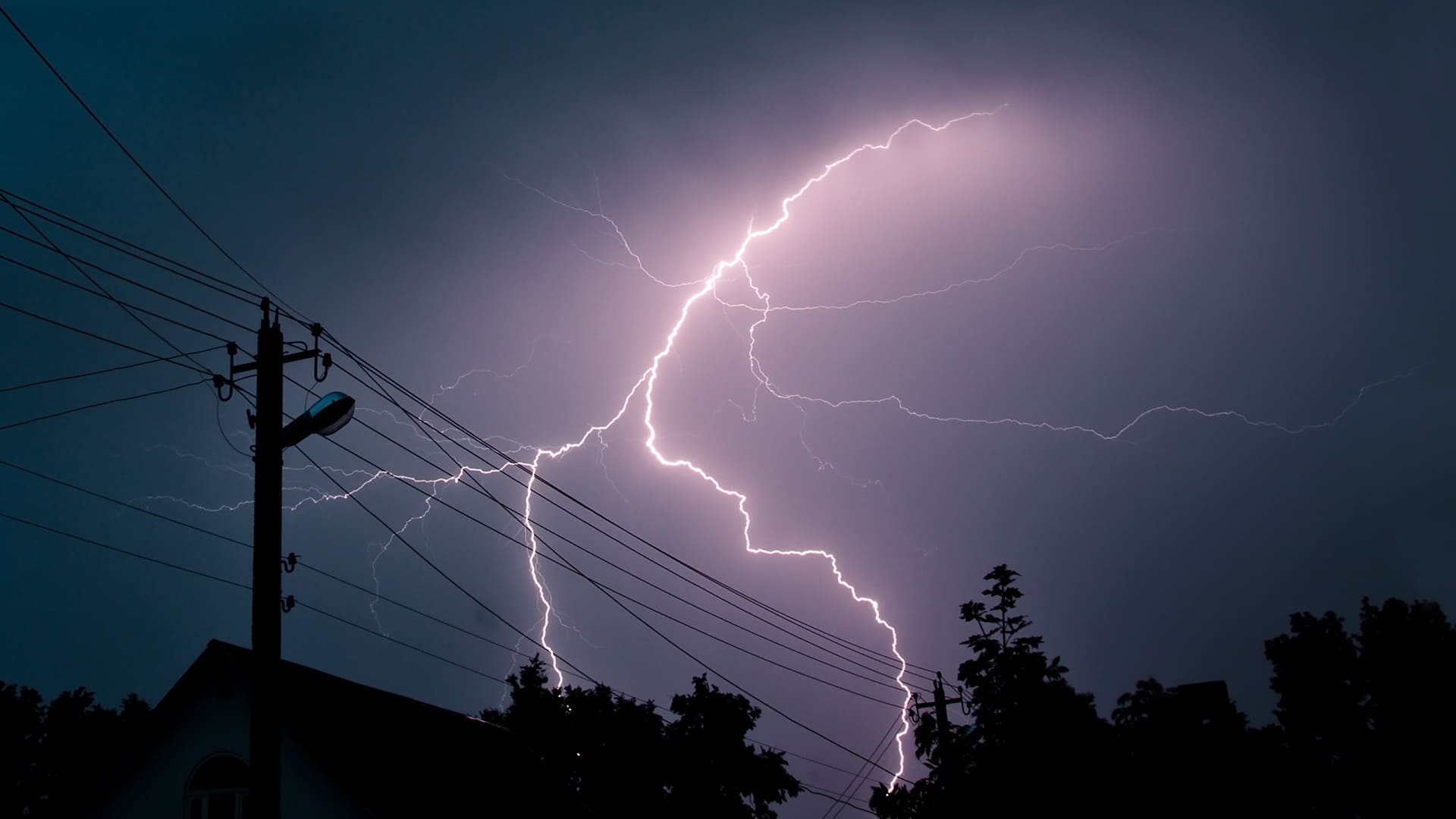
North Texas storms can be fierce. A single bolt can superheat air, trigger power surges, and push thousands of amps through your home in a blink. In this guide, you will learn what really happens during a strike and how professionally designed lightning protection systems help keep your family and property safer in Fort Worth, TX. To see how a roof-first approach works, learn how lightning rods redirect energy away from your home.
Why Lightning Strikes Damage Fort Worth Homes
Lightning looks random, but it follows the path of least resistance. Tall rooflines, metal chimneys, trees close to eaves, and hilltop lots in neighborhoods like Tanglewood, Benbrook, and Arlington Heights can draw a strike or a side flash.
When a bolt connects, current can jump through framing, masonry, plumbing, and wiring. That energy does three things fast: it overheats materials, creates severe electrical surges, and can ignite combustibles inside walls or attics.
Direct Strike vs. Nearby Strike: What Changes
A direct strike can puncture shingles, crack masonry, and blow apart ridge vents. Nearby strikes often enter by utility lines and cause destructive surges without obvious exterior damage. Both events can harm electronics, HVAC controls, garage door openers, and sensitive appliances.
What You May Notice Right After a Strike
- Tripped breakers or a main breaker that will not reset
- Electronics that will not power on or smell like burnt plastic
- Flickering lights or GFCI outlets that keep popping
- Roof or attic damage near metal components like vents or flashing
If you suspect a lightning strike, prioritize safety. Step away from damaged areas, keep loved ones out of the attic, and call a licensed professional. Hidden damage often spreads beyond the first visible mark.
How Lightning Protection Systems Work In Fort Worth, TX
A complete system is a network that attracts, redirects, and dissipates energy safely into the earth. It protects the structure first, then connected systems.
Air Terminals on the Roof
Also called lightning rods, these UL‑listed components create a preferred attachment point. Proper spacing along ridges, gables, and roof features forms a protective zone, especially helpful on larger homes in areas like Mira Vista or West 7th. They connect to down conductors that carry energy away from the roof into the ground.
Down Conductors, Bonding, and Grounding
Heavy copper or aluminum conductors route current to grounding electrodes. Bonding ties metal components like gutters, skylight frames, and HVAC units into a common potential so a side flash is less likely. Multiple ground terminations help spread energy into the soil quickly, even during saturated spring conditions.
Surge Protection at Service and Subpanels
Surges travel along power, data, and low‑voltage lines. Whole‑home devices installed by a pro clamp excess voltage in microseconds, helping to protect appliances, HVAC boards, and home office gear. For details on panel‑level safeguards, review our approach to surge protection.
Local Risks Homeowners Should Understand
Fort Worth’s peak storm season often arrives with fast‑moving fronts that bring frequent lightning, heavy rain, and gusty winds. Homes near open spaces, water features, or ridge lines can be more exposed. Older houses with layered remodels may have inconsistent bonding that increases the chance of side flashes.
What Professionals Check After A Storm
Licensed specialists follow a structured process to verify safety and performance. They visually inspect roof components, attachment hardware, and bonding points, then test continuity of conductors and grounding. They also evaluate panel‑mounted surge devices and coordination with any standby generator or solar equipment.
Do not touch damaged wiring or metal components. Even if the storm has passed, latent faults and energized parts can be dangerous until a qualified technician confirms everything is safe.
Benefits Of A Professionally Designed System
- Creates a preferred path to ground so energy bypasses your structure
- Reduces fire risk in attics and concealed spaces
- Helps protect appliances, networking gear, and smart‑home devices
- Supports insurance documentation and peace of mind during severe weather
System design is tailored to your home’s architecture, roof materials, and lot features. The right layout for a two‑story in Fairmount will differ from a ranch near the Cultural District. A local team understands soil conditions and seasonal patterns that influence grounding performance.
Common Myths Fort Worth Homeowners Hear
- “Tall trees protect my house.” Lightning often jumps from a tree to nearby structures.
- “Power strips are enough.” Plug‑in strips do not stop massive surge events from a strike.
- “I rarely lose power, so I am safe.” Many damaging surges occur without an outage.
- “Metal roofs attract lightning.” Metal does not attract strikes; it can help dissipate heat when correctly bonded.
Where Surge Events Do The Most Damage
Surges race through conductors looking for ground. That means sensitive areas include the main panel, low‑voltage wiring, and equipment boards. HVAC systems, refrigerators, garage door openers, and office computers are common losses after a storm. Coordinated protection at the service entrance and key subpanels helps clamp these spikes quickly.
To understand the big‑picture plan for your property, explore our full suite of lightning protection systems and how they’re configured for homes across Fort Worth.
Maintenance That Keeps Protection Ready
Storms shift materials. Thermal cycles loosen hardware. Annual system checks verify that air terminals remain tight, conductors are secured, and ground terminations are intact. If you add a new roofline or solar array, your system should be updated so every new metal component is properly bonded.
Schedule a professional inspection after any significant storm. This is the best way to confirm performance before the next cell rolls through the Metroplex.
Why Fort Worth Homeowners Choose Lightning Protectors
Local knowledge matters. Our team designs around complex rooflines, clay or asphalt shingles, and additions common in neighborhoods from Ridglea to Meadowbrook. We coordinate with your roofer and electrician so components sit low‑profile and meet current industry standards.
As a trusted provider of lightning protection systems in Fort Worth, TX, we stand behind our workmanship and materials. You get clear documentation for your records and a friendly crew that treats your home with care.
Ready To Protect Your Home Before The Next Storm?
Start with a professional assessment and a tailored plan for your property. See how panel‑level devices fit into the big picture here: surge protection. Then schedule your visit with Lightning Protectors at 737-276-3570. Protect your home before storm season peaks.