How Do Lightning Protection Systems Actually Work to Protect Your Property?

When a storm rolls across Central Texas, lightning looks random and fierce. A professionally designed system guides that energy safely away from your home. It starts with lightning rods on the roof, then carries the current through heavy-duty conductors to a deep grounding network in the soil. Add high-quality surge protection and you have a complete path that keeps dangerous voltage away from your structure, electronics, and family.
Here’s a clear look at what happens during a strike, how each part works, and why the details matter for homes in neighborhoods like Circle C, Mueller, Hyde Park, Westlake Hills, and Lakeway. If you want a quick primer before scheduling a visit, browse more about lightning protection in Austin, TX on our home page.
What A Lightning Protection System Actually Does In Austin
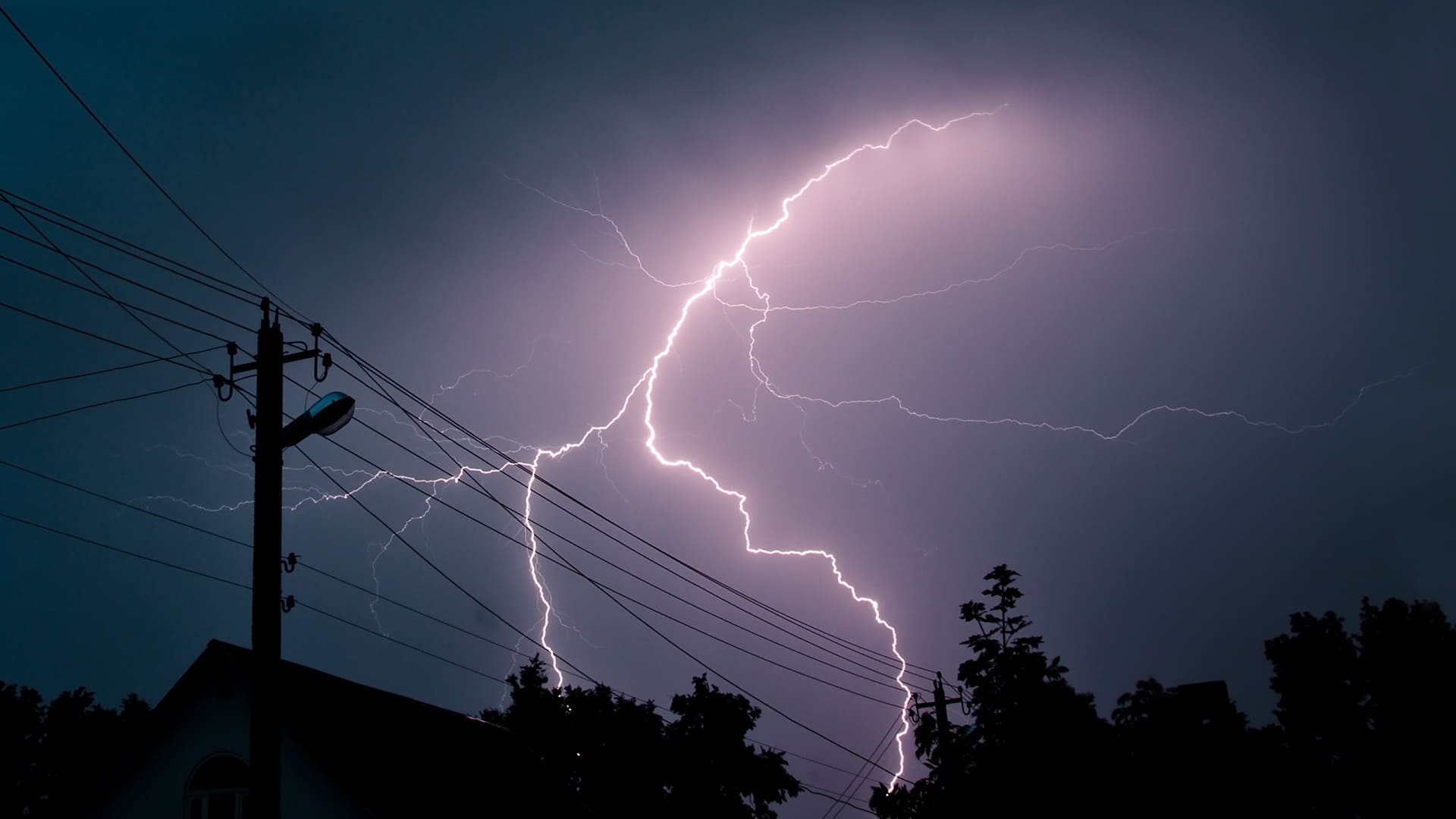
Think of lightning looking for the easiest route to the ground. Without protection, it may jump through your roof, wiring, plumbing, or even your foundation. With a properly designed system, the strike chooses a reliable, low-resistance path that your installer created on purpose.
Here’s the simple flow during a strike:
- Air terminals on the roof intercept the strike first.
- Down conductors carry the current along safe, planned routes.
- Bonding connects metal parts so the voltage matches and does not jump inside the house.
- Grounding electrodes disperse the energy into the soil.
- Surge protection devices clamp down on the leftover voltage on your electrical system.
That is how the risk of fire, shock, or damaged equipment is dramatically reduced. **Never wait until after a strike to bring your system up to standard.**
The Core Parts That Make Protection Work
Air Terminals (Lightning Rods)
Air terminals are small metal points placed at high spots, roof edges, and other exposed parts. Their job is to be the preferred strike point, then feed the current into the rest of the system.
Down Conductors
These thick copper or aluminum cables create straight, gentle paths from the roof to ground. Sharp bends are avoided so the current flows smoothly and predictably.
Bonding And Equipotential Connections
Inside and outside a house you have many metal items, from gutters to metal vent pipes and HVAC equipment. Bonding ties these items into the system so they rise and fall in voltage together. This helps prevent side flashes that can jump across gaps and damage walls or appliances.
Grounding Network
The grounding electrodes and connections are where the charge is released into the earth. The system uses multiple electrodes tied in a loop or across the foundation so the energy is spread out instead of concentrated in one place.
Why Grounding And Bonding Matter In Central Texas Soil
Austin sits where clay soils meet thin Hill Country limestone. That mix affects how well the ground absorbs energy. Experienced installers consider soil type, moisture, bedrock depth, and the layout of your home to choose electrode locations and the size of the grounding network.
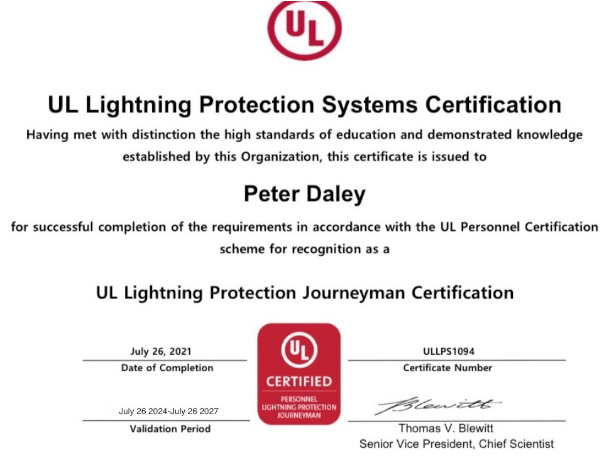
Homes on limestone slopes in places like Steiner Ranch or Westlake Hills may need a wider ground loop to reach better soil. In flatter areas east of I‑35 with heavier clay, the focus is on strong connections and corrosion-resistant materials. **Only a trained, certified installer should design and connect these parts.**
How Surge Protection Complements Lightning Protection Systems
A direct strike is not the only risk. Nearby strikes and utility switching can push enormous voltage into your service panel. Whole-home devices at the main panel reduce the spike before it reaches your circuits, and point-of-use devices add another layer for sensitive electronics.
For a deeper look at best practices around electronics safety, read how to stay protected against power surges. Then talk with Lightning Protectors about integrating panel-level surge protection with your exterior lightning rod system. **Whole-home surge protection is not a power strip.** It is a permanently installed device that works with your service equipment to clamp down hazardous spikes in milliseconds.
What Homeowners In Austin Should Expect From A Professional Installation
Quality design starts with a site assessment: roof style, chimneys, solar panels, metal features, nearby tall trees, and the route for conductors. The installer maps interception points, chooses conductor runs with smooth turns, and places ground electrodes at proper spacing. Every connection is secure, corrosion-resistant, and labeled for future maintenance.
After installation, your system should be inspected and tested. The technician verifies continuity, checks bonds, confirms secure fasteners, and reviews the surge protection indicators at the panel. Routine checkups are smart after roof work, solar upgrades, or major remodels that could disturb conductors or bonding.
When Lightning Protection Makes The Most Sense For Your Home
- Homes on hilltops, ridgelines, or near very tall trees.
- Properties with metal roofs, high gables, or complex multi-level designs.
- Houses with home offices, servers, or valuable entertainment systems.
- Homes in areas that see frequent spring and late-summer storms.
In parts of Austin like Lakeway and Westlake Hills, elevation alone can raise exposure. In denser neighborhoods such as Hyde Park or Mueller, nearby multi-story structures and mature trees can also influence where a strike prefers to land. The safest plan is a purpose-built system that fits your roof and soil conditions.
How It All Works Together During A Strike
Picture a bolt hitting an air terminal on your roof. The current races into the down conductors, which act like express lanes to the ground. Bonding ties in metal parts so voltage cannot leap through your attic or walls. At the same time, panel-mounted devices sense the surge and clamp it so your appliances and electronics are shielded. Within a blink, the energy is in the soil, and your family stays safe inside.
Maintenance That Keeps Protection Reliable
A quick annual visual check is usually enough, with a full professional inspection after roof replacements, panel upgrades, or major storms with debris. The technician will verify that terminals are secure, bonding straps are intact, surge devices show good status, and ground connections are tight. **Schedule your assessment before peak storm season in Central Texas** so fixes happen on dry, calm days.
Why Homeowners Choose Lightning Protectors
Local experience matters. Our team understands Austin’s steep lots, limestone ledges, and fast-changing weather. We design residential lightning protection systems that pair proven materials with careful routing, neat appearance, and strong documentation. When you work with us, you get a clear plan, dependable scheduling, and a system built to keep working year after year.
If you want a quick overview before we visit, explore how our lightning rods fit into a complete system and why adding panel-level protection tightens the safety net for your family and electronics.
Ready To Protect Your Property
Now is the right time to make your home a less inviting target for lightning. Start with a full evaluation and a tailored design that respects your roof, soil, and electrical system. To get started, call Lightning Protectors at 737-276-3570 or schedule online. For a deeper dive into the hardware and placement, take a look at our overview of lightning rods and how they anchor a complete protection plan.